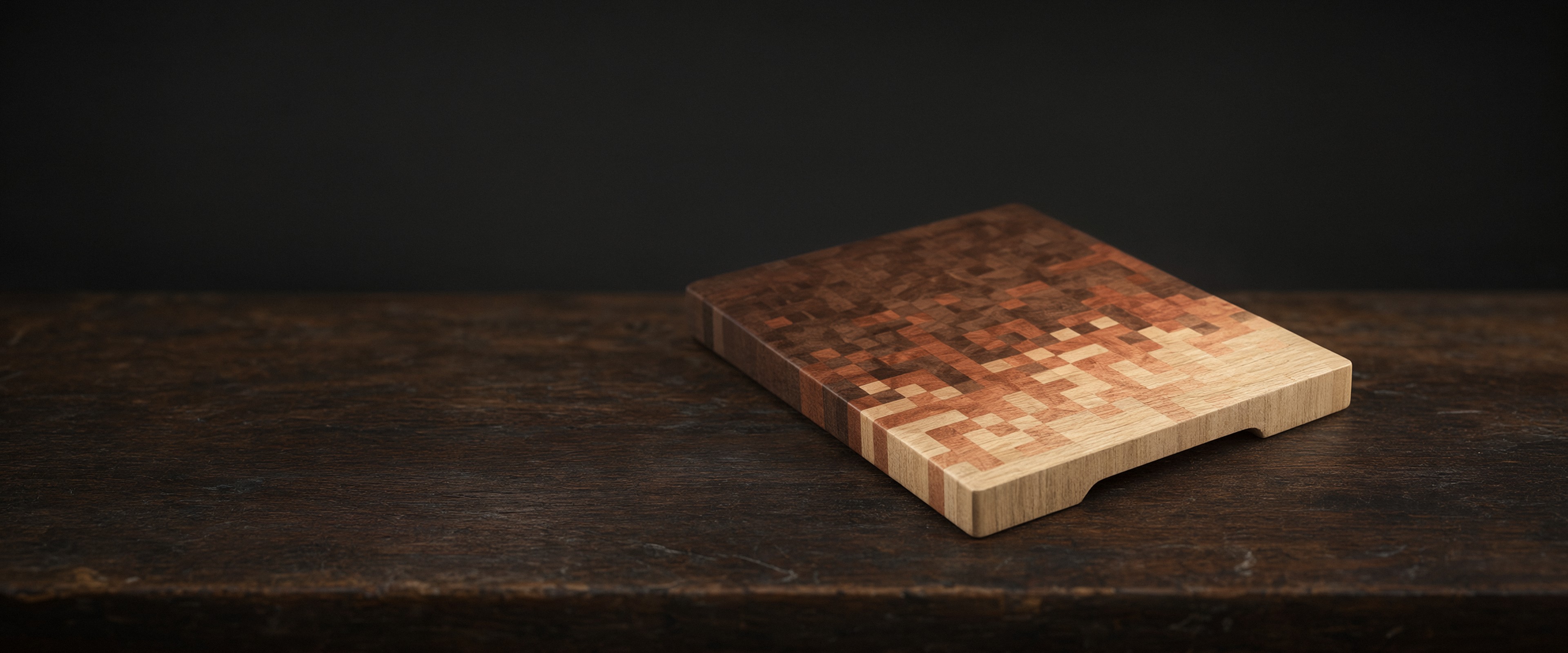
A walnut, cherry and maple pixel fade end grain board with an undercut finger pull, on a dark workshop bench
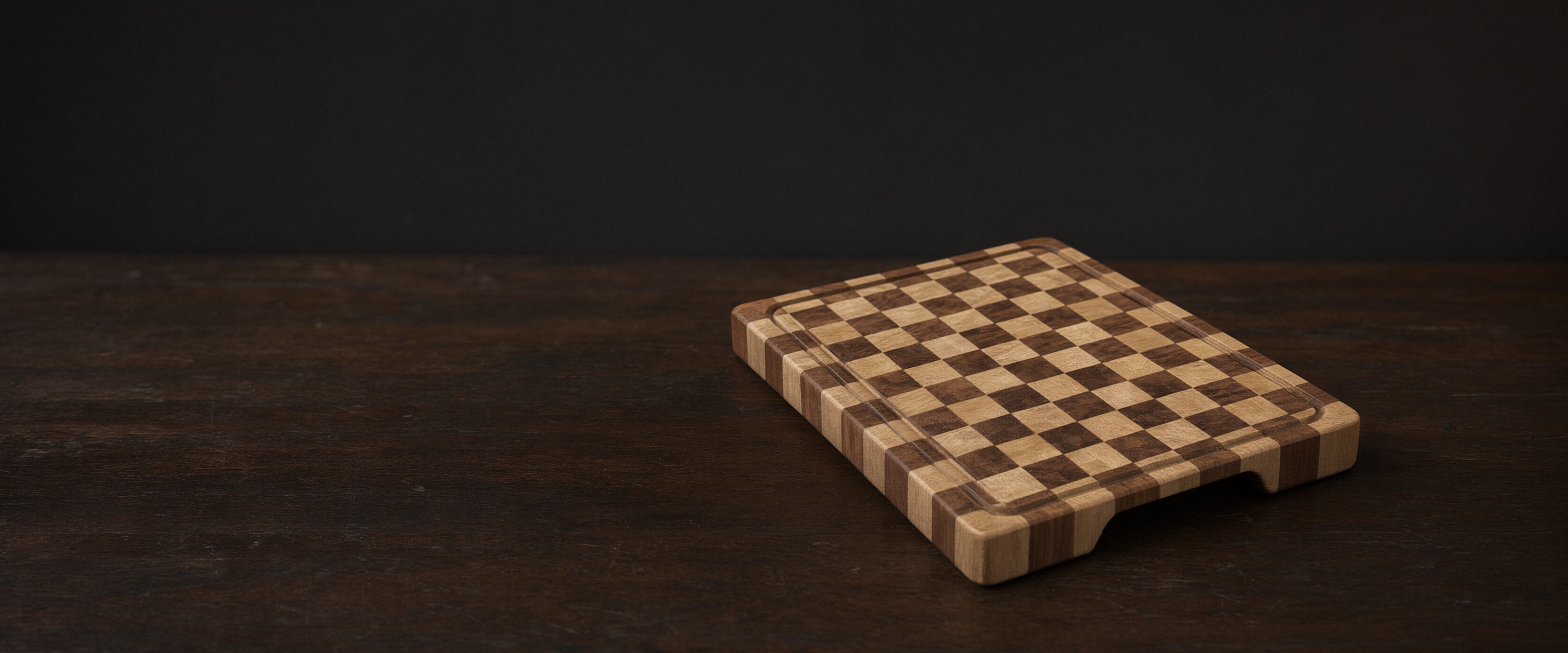
A walnut and maple checkerboard end grain board with a juice groove, on a dark workshop bench
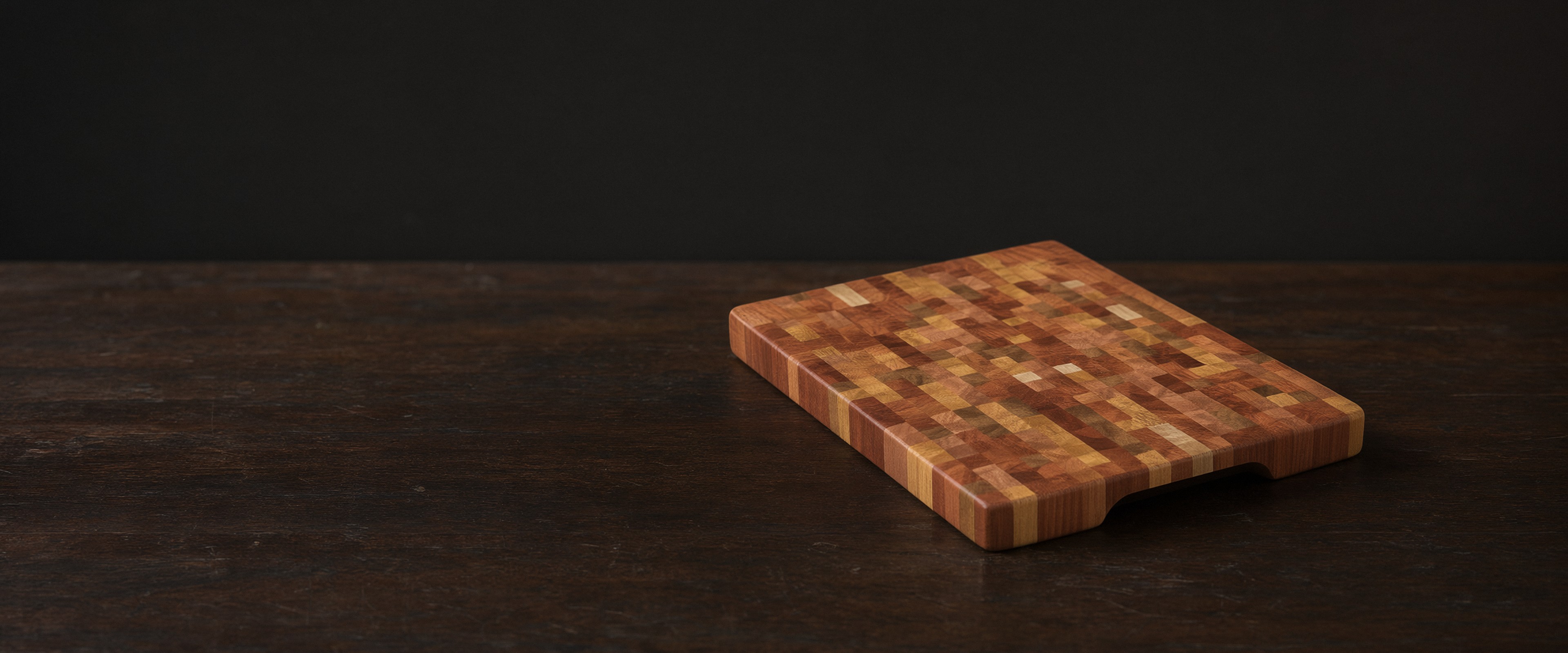
A mixed native timber offcut end grain board on a dark workshop bench
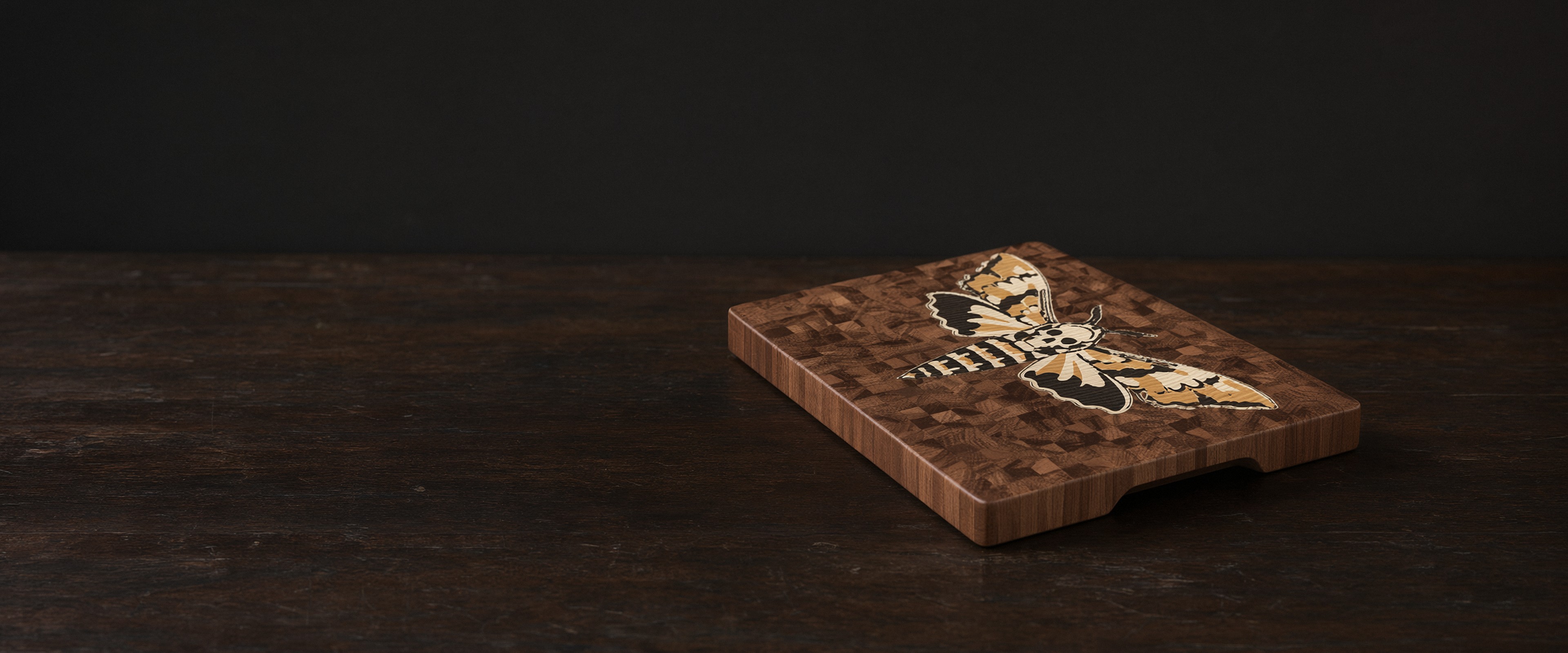
A walnut end grain board with a timber death's-head moth inlay, on a dark workshop bench
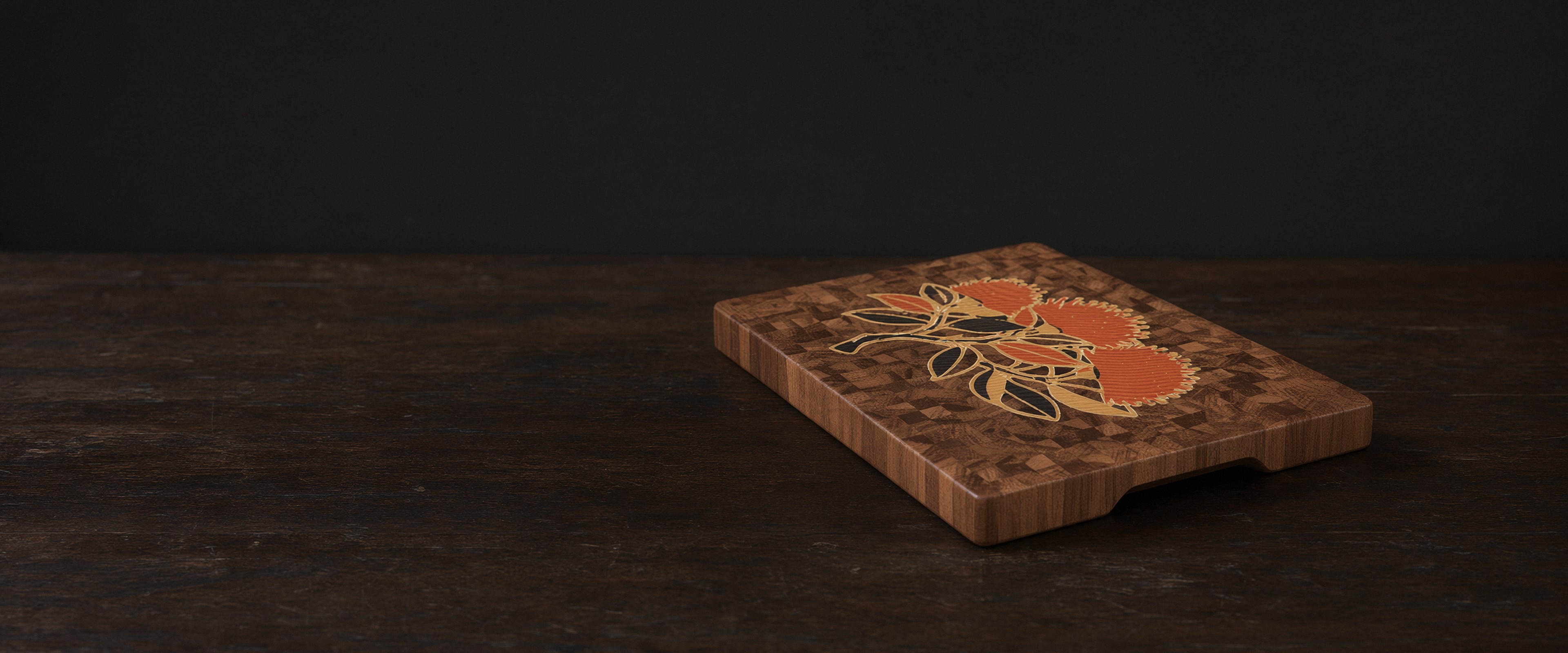
A walnut end grain board with a timber pōhutukawa inlay, on a dark workshop bench
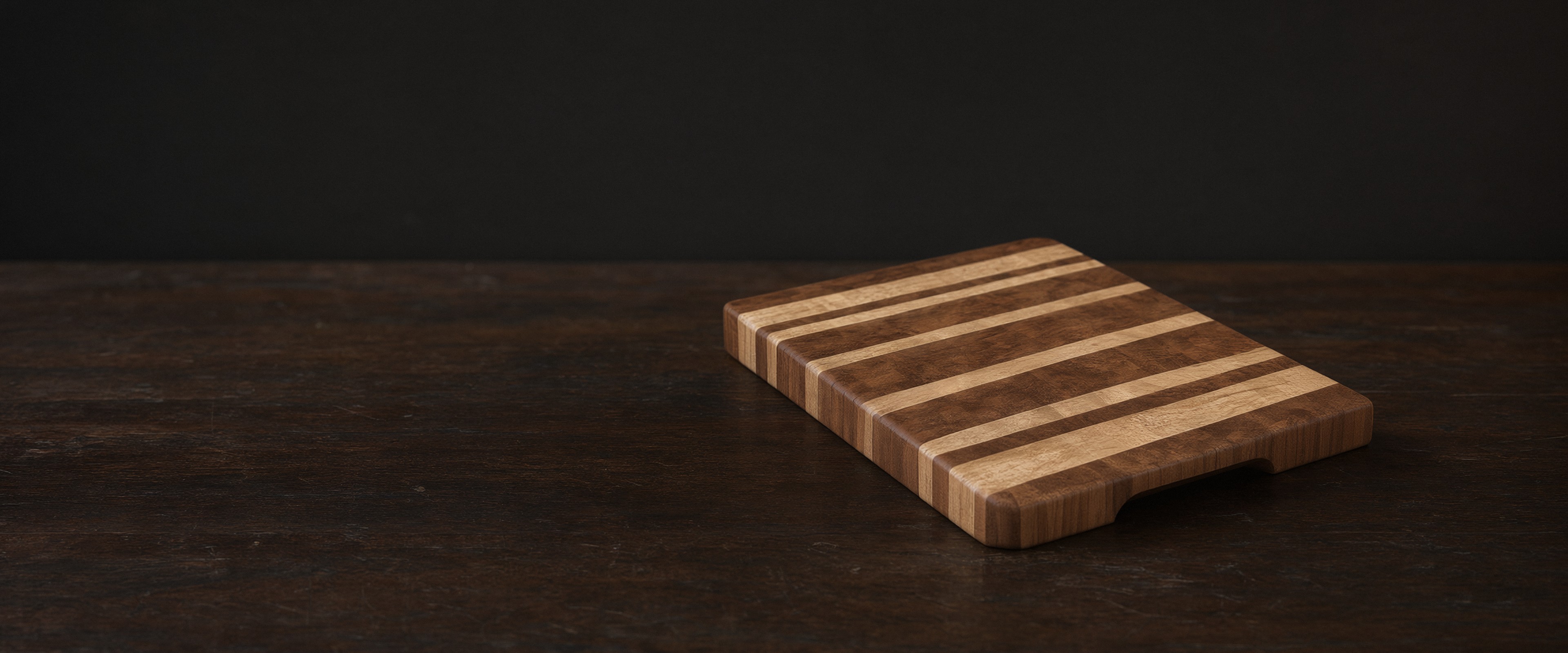
A walnut and maple striped end grain board on a dark workshop bench

Handmade in Waiatarua, Auckland

Chopping boards, made slowly by hand.

End grain boards cut, glued, flattened and oiled one at a time, from recovered New Zealand timber and sustainably grown hardwoods. Made to order, and made to be used every day for decades.

One maker, one bench

Nothing here is mass produced

Every board starts as rough timber on the bench in Waiatarua. It is cut into strips, glued, cross-cut, glued again, then flattened, sanded and oiled by hand. That takes time, so each board is made for you after you order it, usually within two to eight weeks.

How a board is made

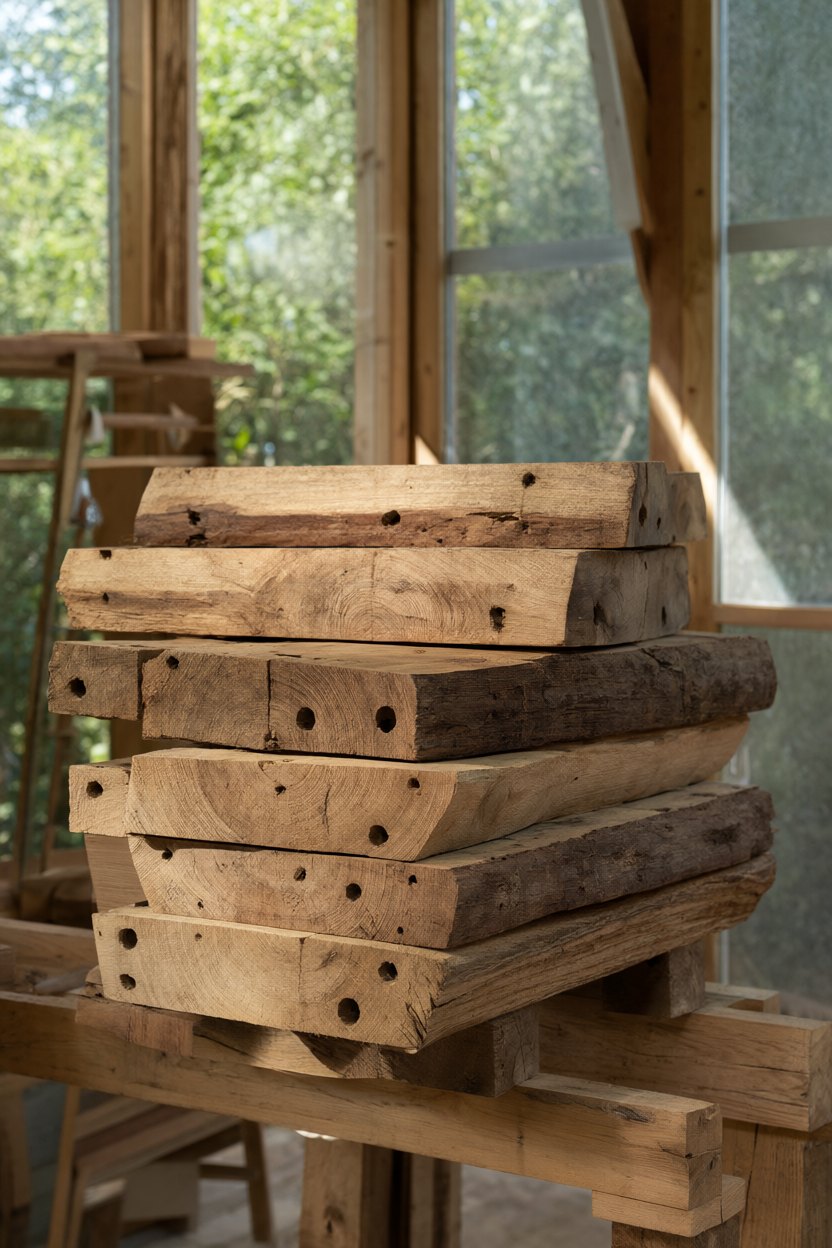
  1. Reclaimed native timber planks stacked in the workshop
    01

    Timber

    Recovered rimu, tōtara and mataī, and sustainably grown walnut, maple and cherry.

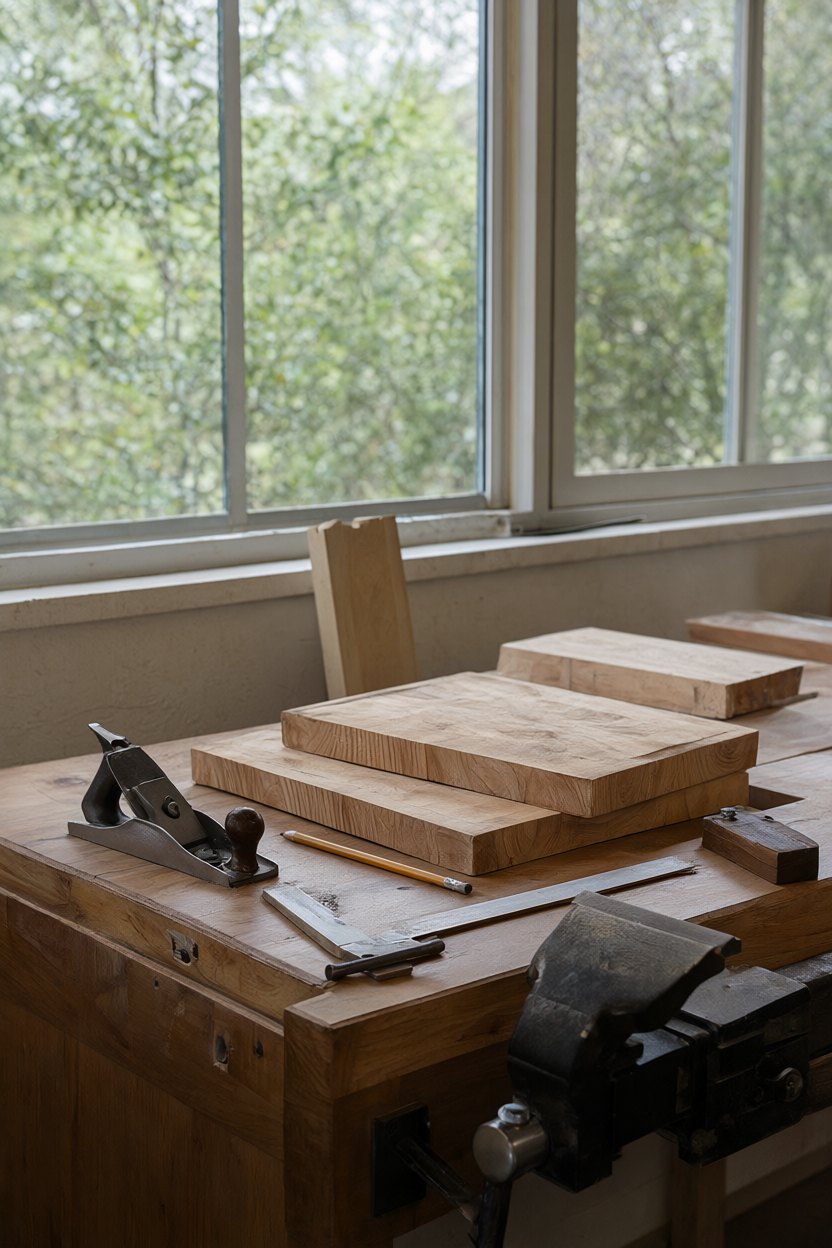
  2. End grain board blanks on the workbench
    02

    Glue-up

    Cut into strips, glued, cross-cut and glued again, so every block stands on its end.

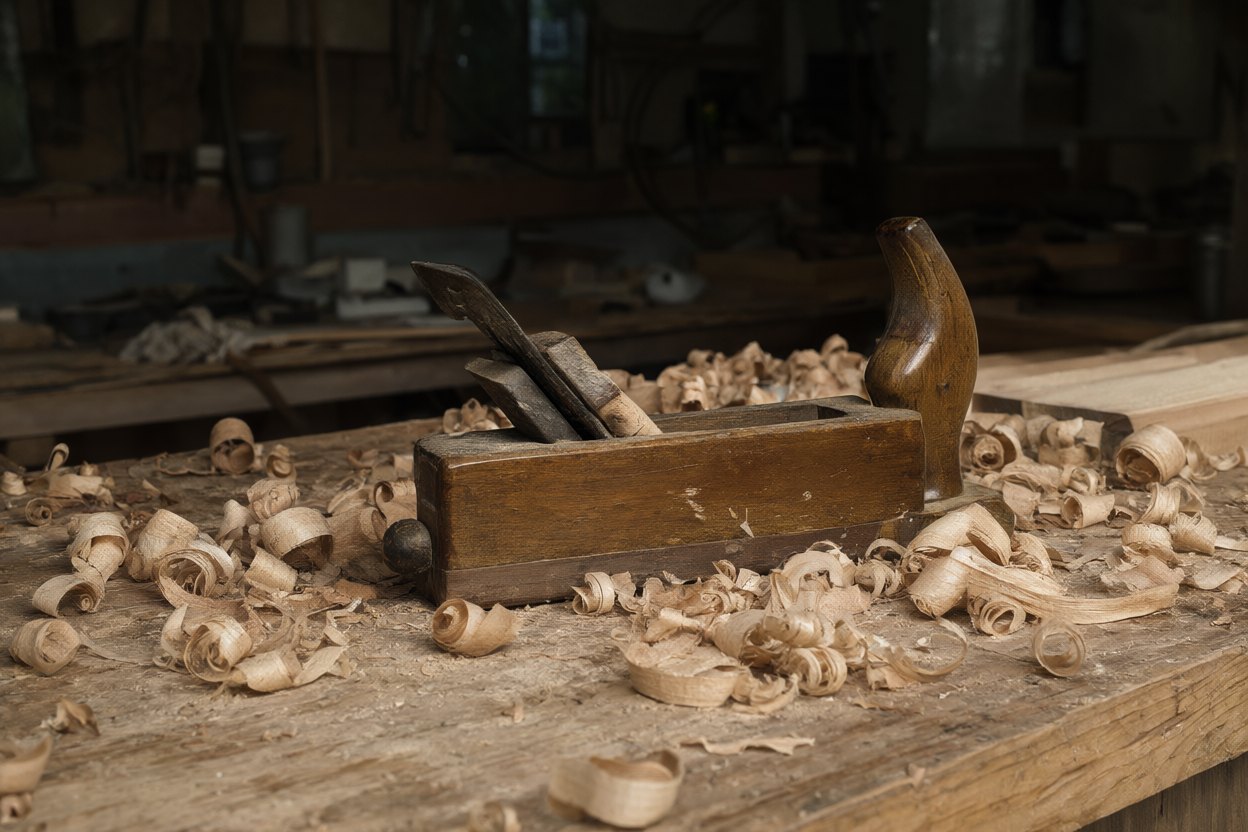
  3. A hand plane among curled wood shavings on the bench
    03

    Flatten

    Flattened, the edges rounded over, the grips routed and the surface sanded silky smooth.

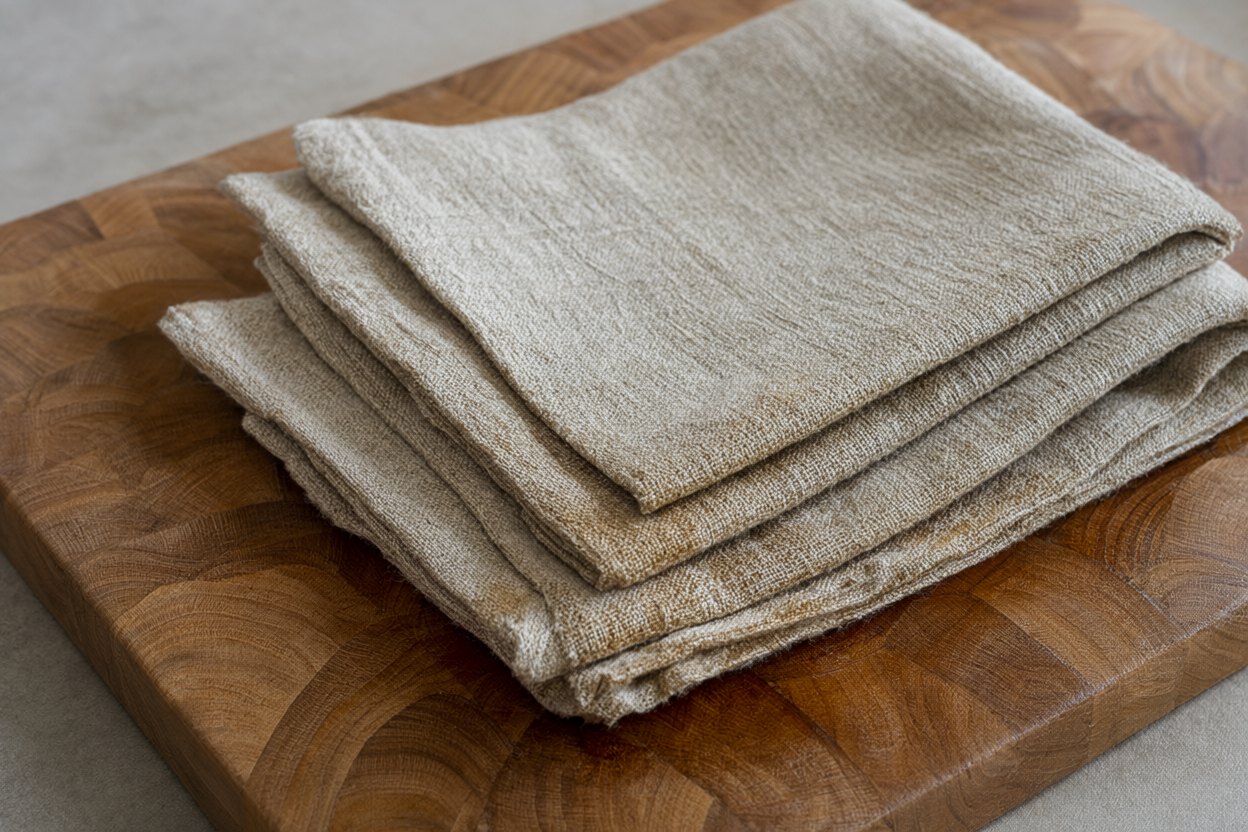
  4. A linen rag soaked in board oil on a freshly oiled end grain board
    04

    Oil

    Food-safe oil and beeswax by hand, then a full week to cure before it leaves the bench.

The collection

Plain timber blocks for daily cooking, pixel fades for something a little different, and hand-cut native inlays to pass down.

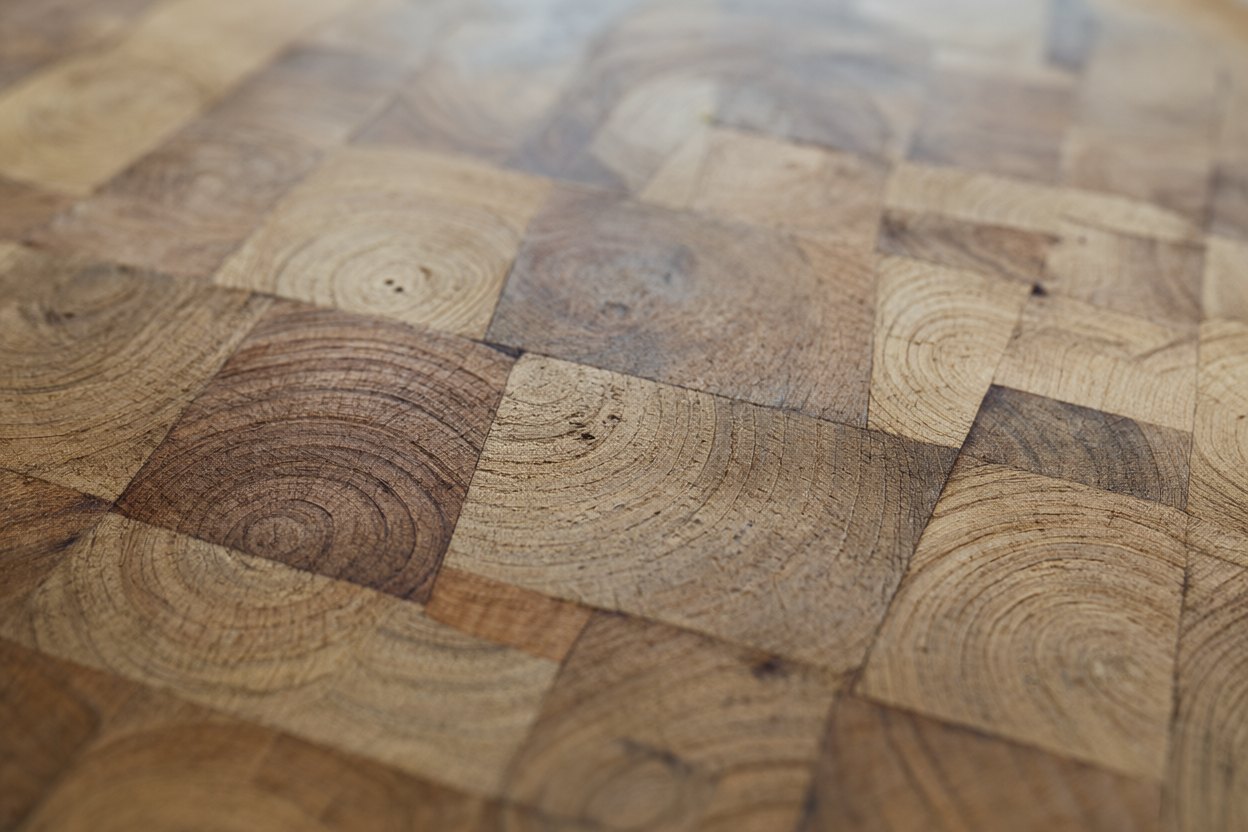
Close-up of oiled end grain blocks showing their growth rings

“The knife slips between the fibres instead of cutting across them. Your edge stays sharp, and the marks close up again.”

Why end grain
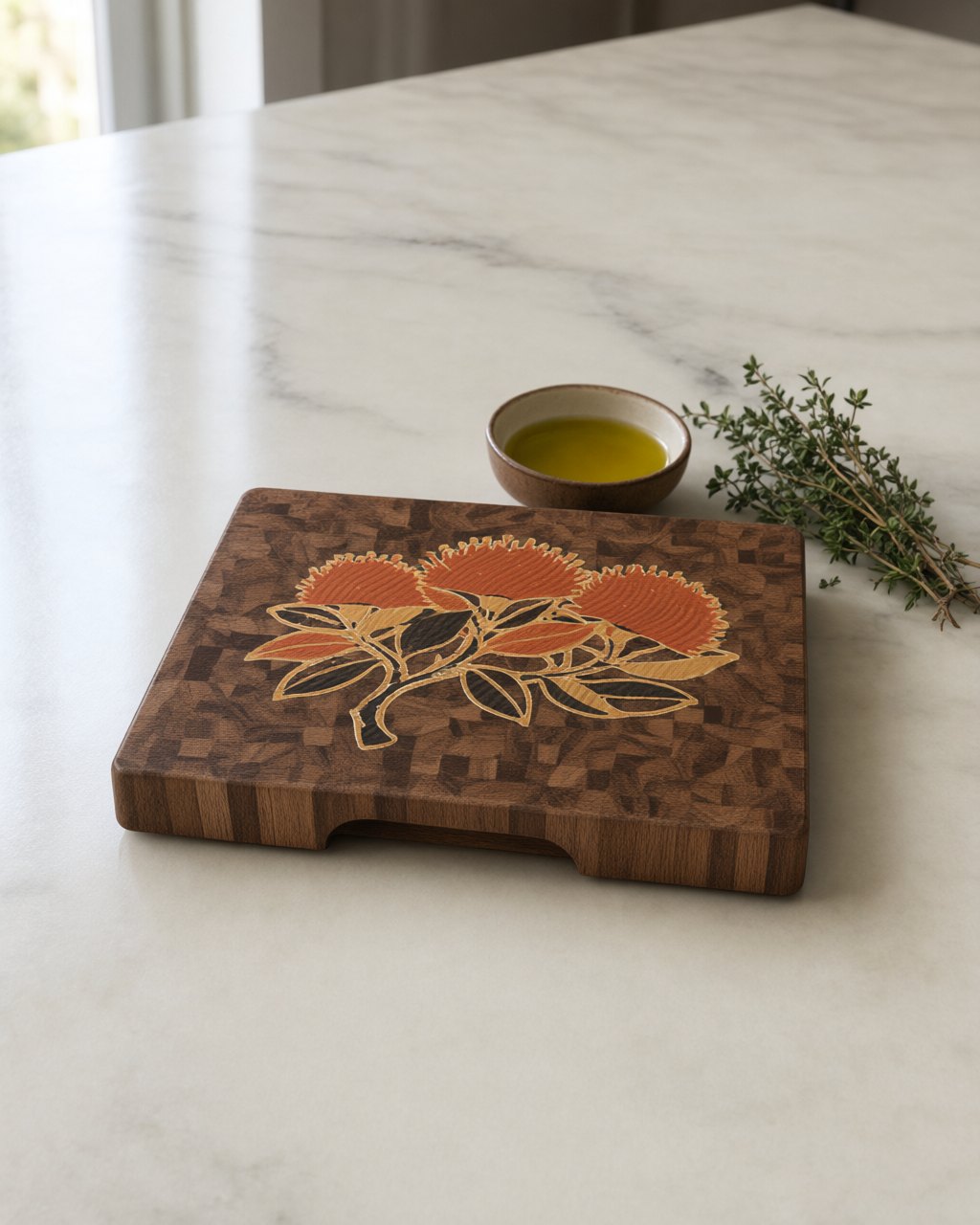
Walnut end grain board with a pōhutukawa inlay, beside a bowl of olive oil and fresh thyme

Inlay boards

Tattoo flash, cut into the grain

Our inlay boards borrow from old tattoo flash: bold shapes, a clean outline and nothing extra. Crossed cleavers, a chef's knife and rose, and two native designs: each made from three or four natural timbers, cut and fitted by hand into the finished end grain.

They are made to order, signed and numbered. If you have your own idea, a name, a place or a plant that means something, we can draw it up with you.

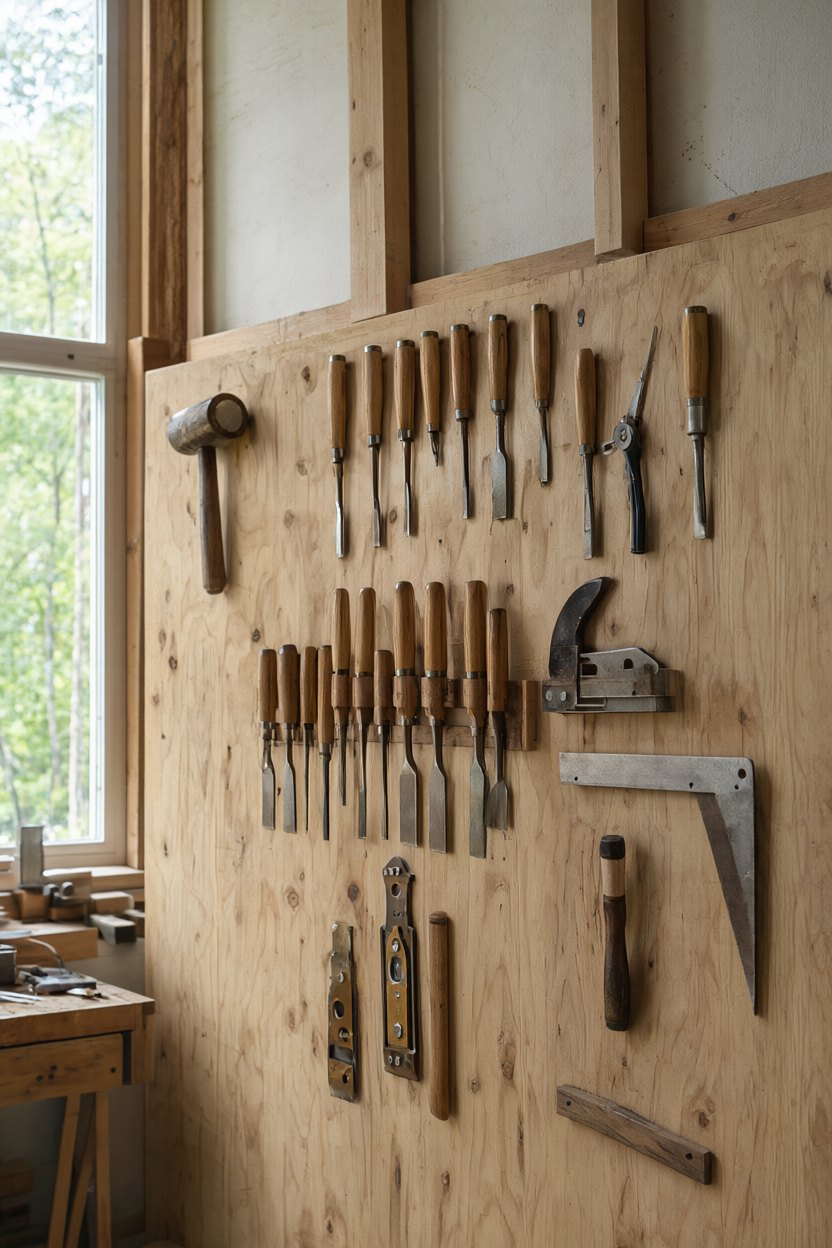
The tool wall in the Waiatarua workshop

The workshop

Made by hand in Waiatarua

Every board is made to order in our small workshop in the Waitākere Ranges above West Auckland.

Much of the native timber in our boards is rimu, tōtara and mataī recovered from old Auckland villas and bungalows, de-nailed and cut back to clean heartwood. The rest is sustainably grown walnut, maple and cherry. Offcuts become smaller boards, and the shavings go to a local market garden.
About the workshop
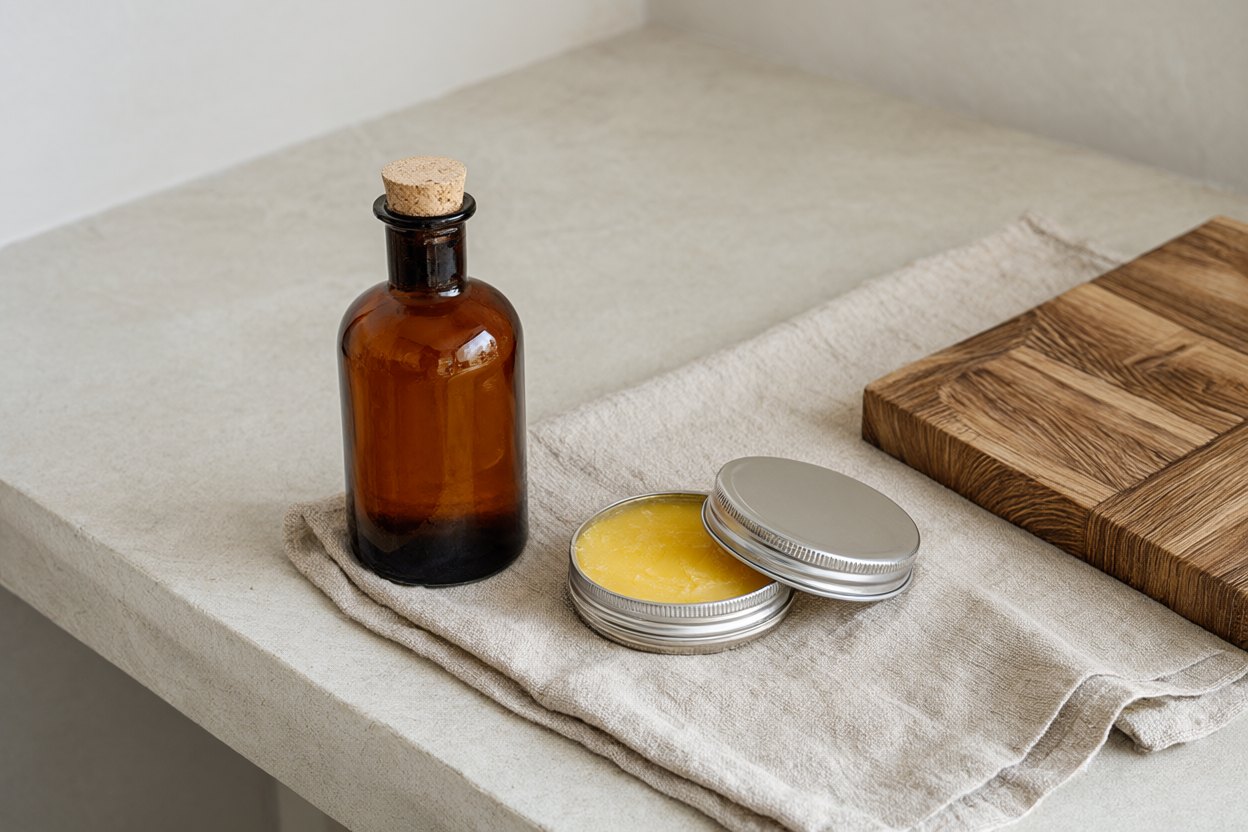
A bottle of board oil and a tin of beeswax on linen beside a walnut board

Looking after it

A little oil, and it lasts a lifetime

  • Oil it monthly. A thin coat of food-safe board oil, wiped in with a cloth and left overnight.
  • Wash, don't soak. Warm soapy water and a quick dry on its edge. Never the dishwasher.
  • Resurfaced for life. When it needs it, send it back and we'll flatten and re-oil it for free. You pay only the postage.
Care and resurfacing
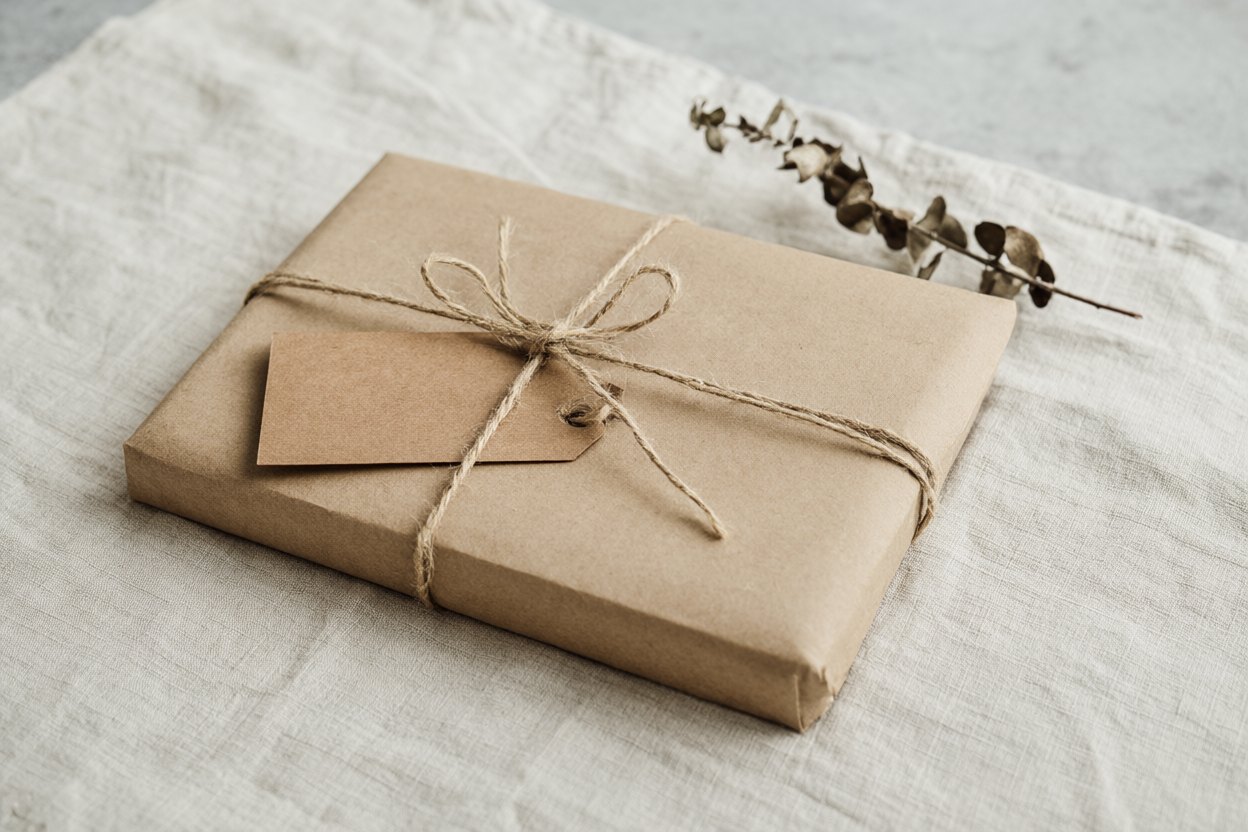
A board wrapped in brown paper and twine with a blank tag
Wrapped in paper and twine, never plastic. Free insured delivery in NZ.