Endmark is a small workshop in Waiatarua, up in the Waitākere Ranges above West Auckland, making end grain chopping boards that deserve the knife on top of them.
Waiatarua, West Auckland
A workshop at the edge of the bush
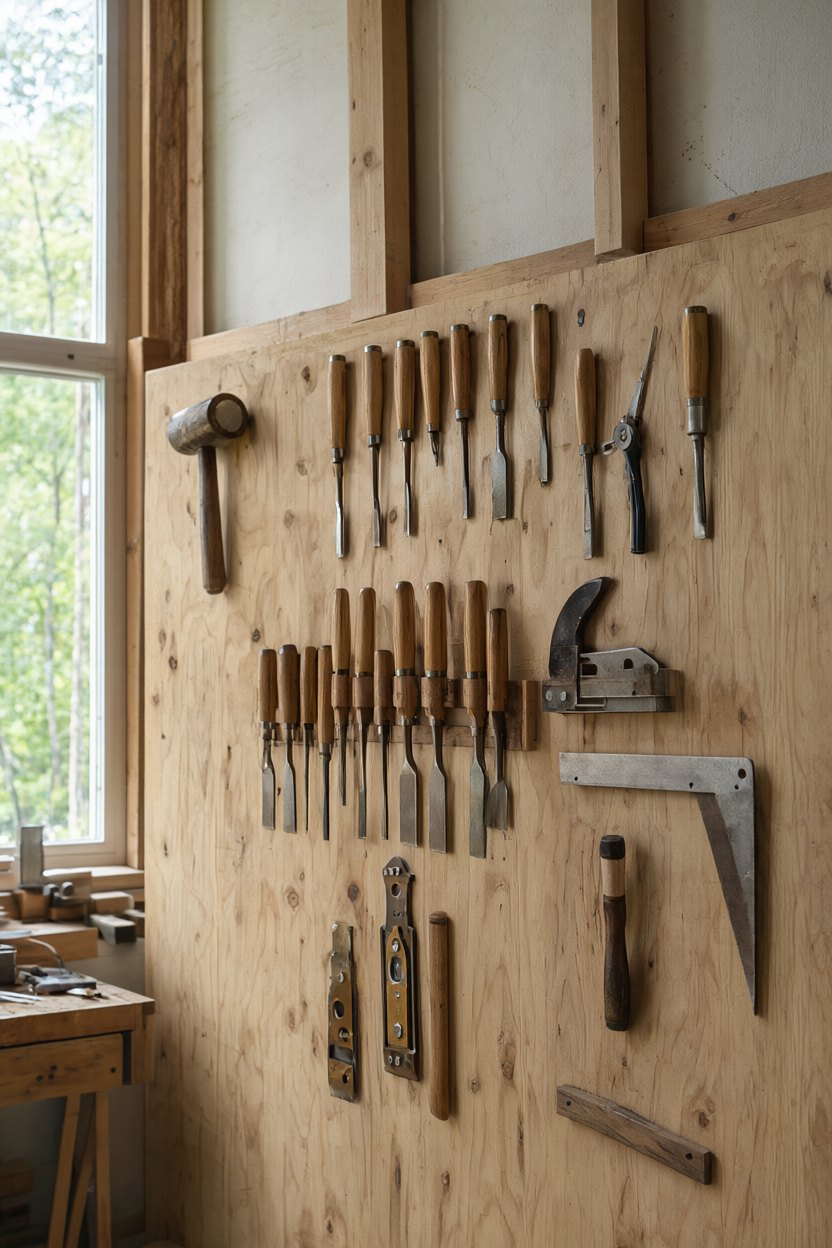
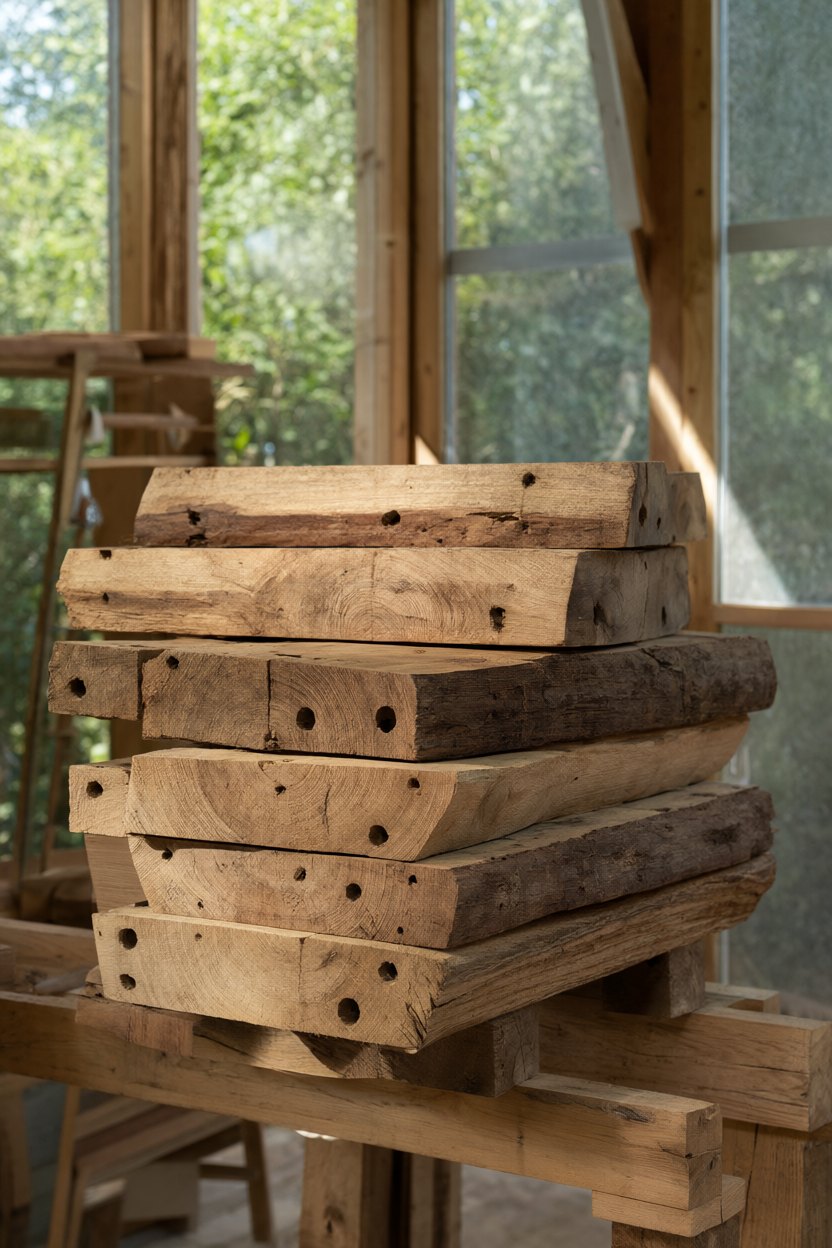
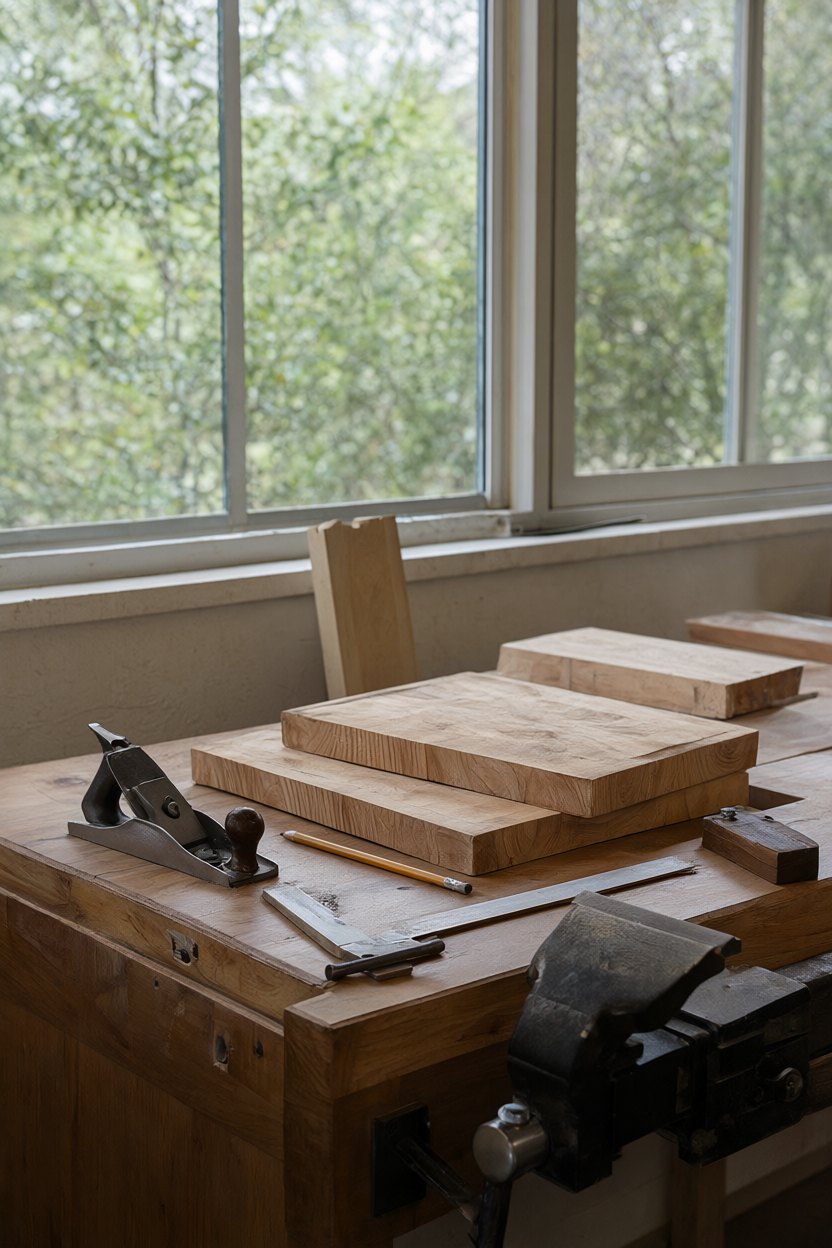
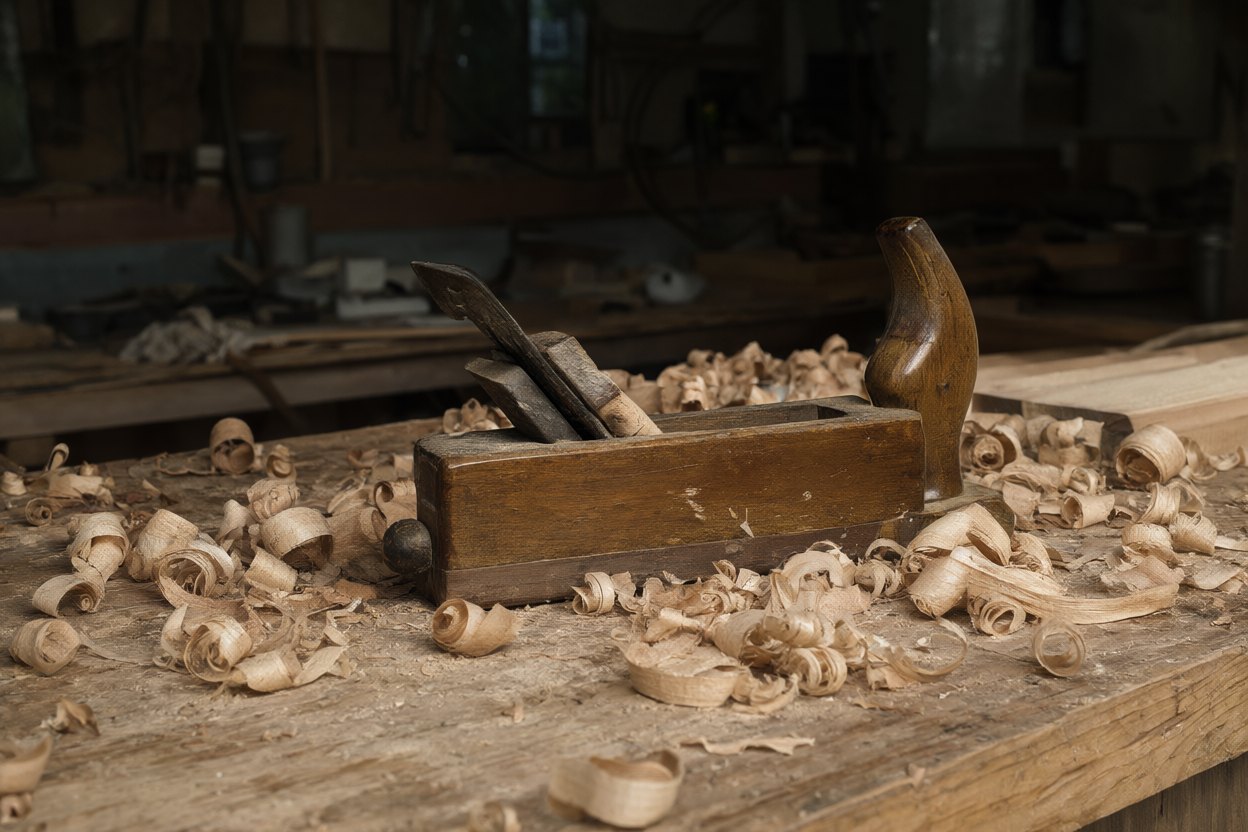
A timber-framed shop in the Waitākere Ranges: big windows, good light, sharp tools, and a rack of recovered timber waiting for its turn.
From log to board
Six steps, every board, no shortcuts
Every Endmark board, from an Offcut to an inlay, passes through the same six stages. The design changes; the method doesn't.
01
Choose the timber
Recovered rimu and tōtara from old Auckland villas, and sustainably grown walnut, maple and cherry, picked piece by piece for colour and grain.
02
First glue-up
Strips are laid out to the pattern and clamped into one slab, then left overnight.
03
Cross-cut and turn
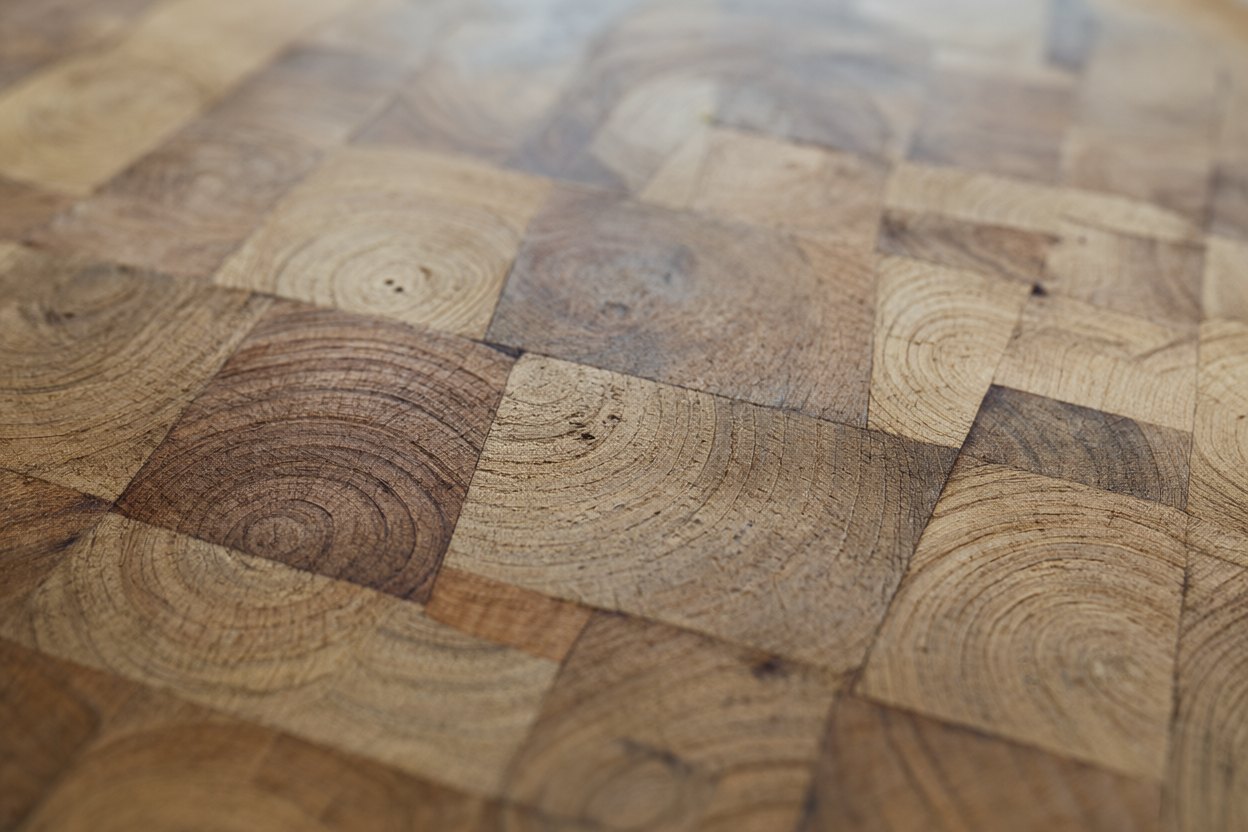
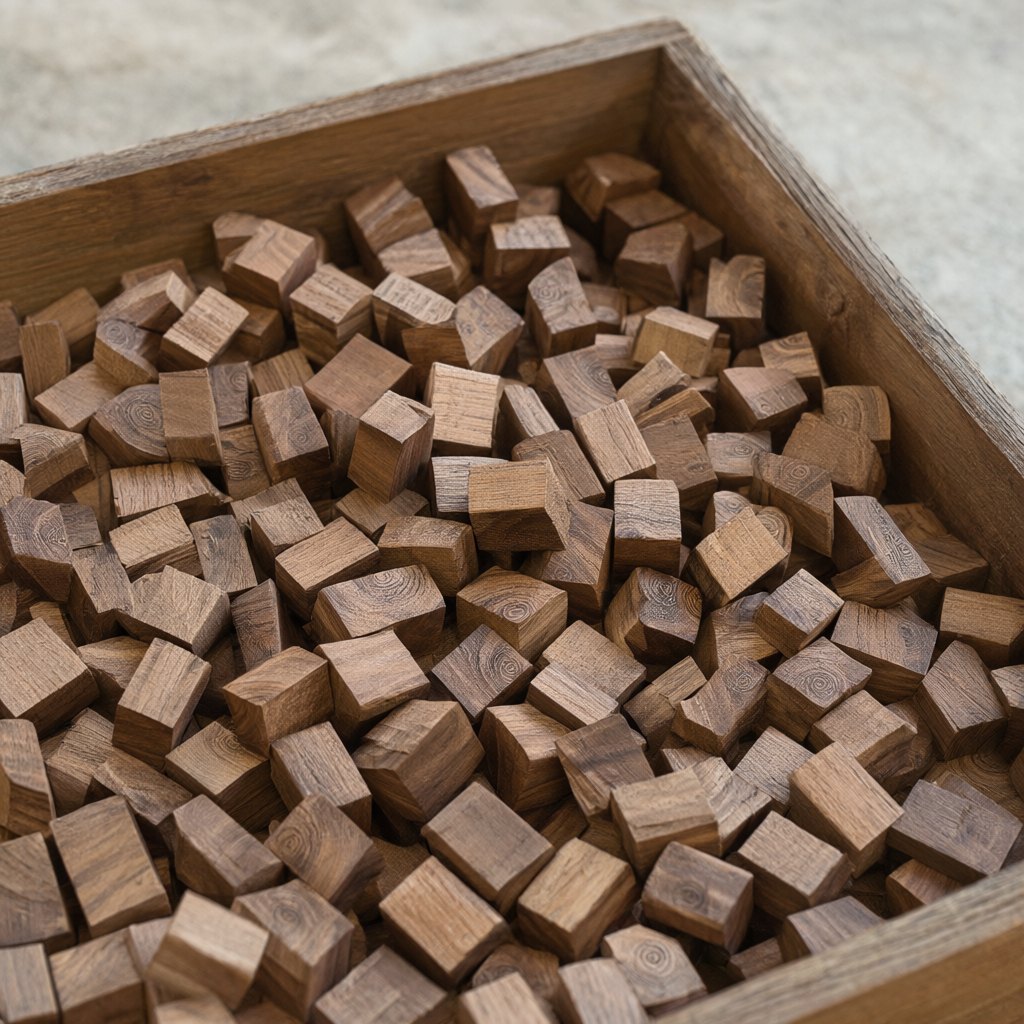
The slab is cut across and glued again with every block standing on its end. This is what makes it end grain.
04
Flatten and shape
Planed flat, edges rounded over, finger pulls routed into the ends, then sanded by hand through the grits.
05
Oil and cure
Food-safe oil and beeswax, worked in over a week until the grain won't take any more.
06
Sign and send
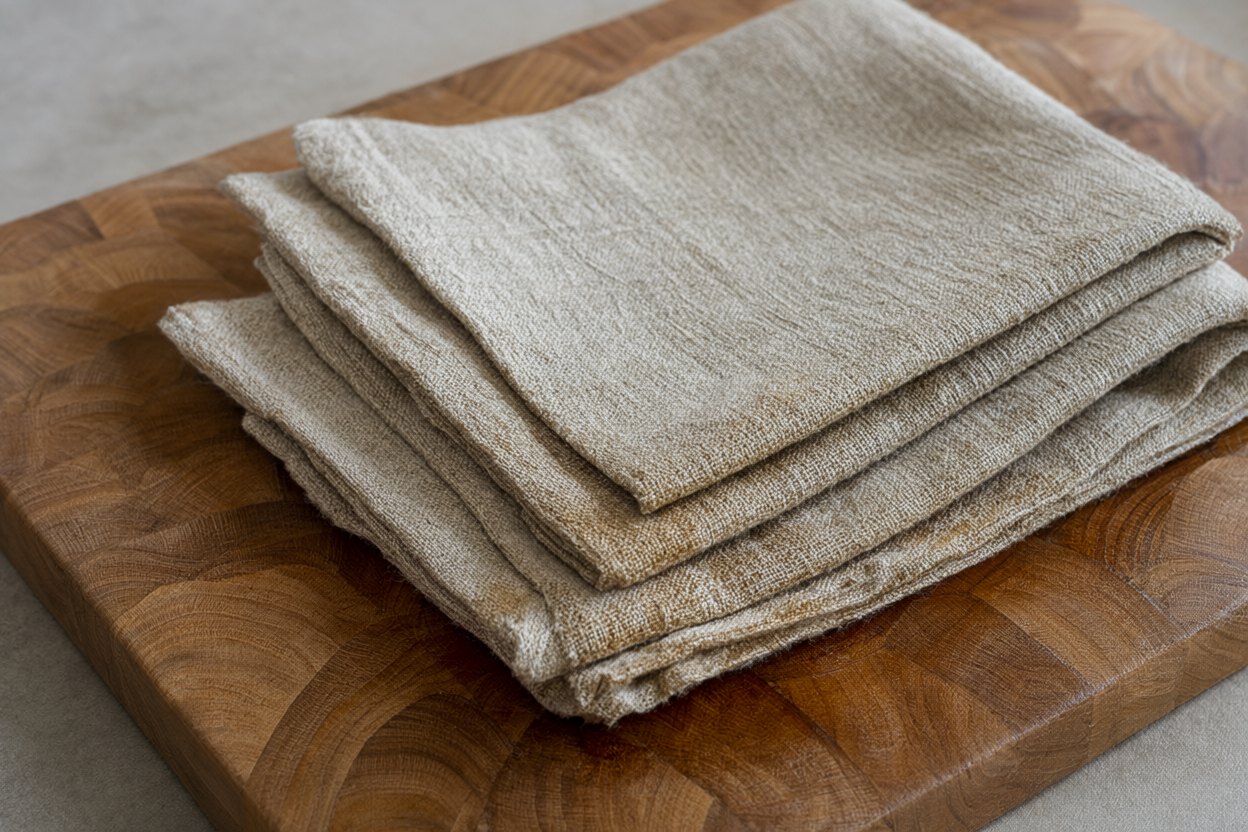
Signed and numbered underneath, wrapped in paper and twine, and on its way to you.
What we commit to
Sustainability, stated plainly
The practical habits of a small workshop in the Waitākere Ranges.
Recovered and sustainably grown timberNative timber is recovered from demolition and windfall, so it has already lived somewhere; the walnut, maple and cherry come from sustainably managed forests. We do not buy green wood for a board.
Offcuts reusedNothing that leaves the workshop is waste. Offcuts become smaller boards, or the small inlay pieces. The shavings go to a local market garden.
Dust and finish, handled properlyEvery machine runs to a dust extractor, and every board is finished with food-safe oil and beeswax, not plastic coatings.
Plastic-free packagingPaper wrap, paper tape, a wooden corner protector that belongs in your kitchen, not in a landfill. If we ship internationally, the box is the same.
See what comes off the bench
Seventeen boards, all end grain, all made to order.